
The Wrong Thing
On letters, visitors books, and the question nobody is asking.

I have read a fair deal on this. I have participated in some of it. And the longer the debate about AI goes on, the more I keep thinking: we are arguing about the wrong thing. We are so focussed on the person holding the pen that we have forgotten about the person opening the letter.
The mammogram letter
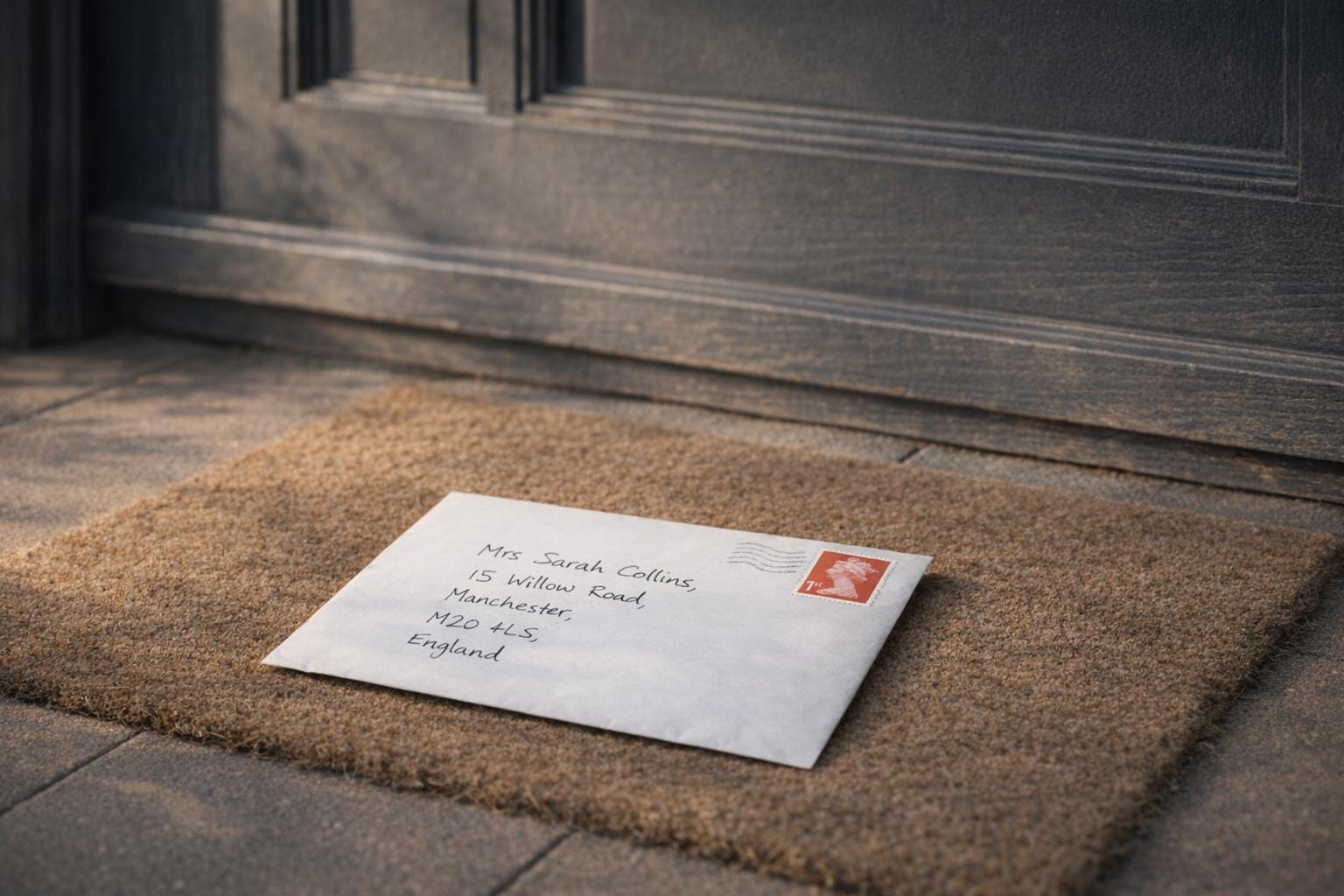
At some point in the last few years, some of you may have received a letter from the NHS. Perhaps it was a recall after a routine screening. Perhaps it was an ‘invitation’ to attend an appointment because you fall into a category they consider slightly higher risk. I want you to think about how that letter landed. The moment before you understood what it was saying. The moment after.
Now I want to ask: do you think the person who wrote that letter paused, at any point, to imagine you opening it? To think: how will this feel, in the hands of someone who doesn’t know yet what it says? Is there a word in here that will make her breath catch? Is there a phrase that will send her to Google at midnight, cross-referencing symptoms, spiralling quietly in a way that could have been entirely prevented by one sentence of genuine human consideration?
I think, in many cases, the answer is no. Not because the people writing these letters are cruel or indifferent. But because at some point, in the room where these letters are drafted, the reader stopped being a person and became a recipient. A compliance requirement. Someone to be informed, not someone to be considered.
That is not an AI problem. This is not a new failure. Long before anyone had heard of a language model, letters were being written by people who had stopped imagining the person opening them. AI didn’t create that absence of consideration. It just gave us a more interesting argument to have while it continues.
The visitors book
I go to the office four days a month. Recently, two contractors came in to carry out routine checks. They went to sign the visitors book and I noticed them slowing down, struggling, taking longer than they should.
I looked at the book. The section where visitors write their names was printed on a black background. You could not see what you were writing. You were signing, essentially, into a void, present in the room, complying with the process, leaving no visible trace of yourself.
I said, immediately: “that book is hard work, isn’t it.” We all commiserated briefly. After they left I mentioned it to the colleague who had ordered it. They explained that the black background was intentional: it protects the confidentiality of previous visitors, so no one can read the names already entered.
A reasonable goal. A thoughtful compliance solution. And a book that is, from the visitor’s perspective, a small but unnecessary ordeal.
I said: surely there’s a way to do both? Surely the experience of the person holding the pen matters too? They said: it’s just a book. It’s just for compliance.
And there it is. That phrase. It’s just for compliance. The process has been satisfied. The box has been ticked. What the visitor experiences in the moment of ticking it, the confusion, the slight niggle, the feeling of being an afterthought, that doesn’t register, because it was never part of the brief. The poorly written NHS letter is the same book. The answer is the same indifference.
The easier framing
We have all received the email. The system is changing. The process is being updated. Now things will be ‘easier’ because it is “now a one step checkout process” Easier for who? Did you assess the difficulty? You didn’t. Meanwhile, I ordered from the same website from inside my coat pocket once without meaning to. I didn’t even know my card number. The new system added five steps to something I was previously doing by accident.
The question we are not asking
The conversation about AI in writing asks, endlessly: is this really yours? Did a human write this? Can we tell the difference?
These are not unimportant questions. But they are writer-facing questions. They are about authenticity, effort, origin. They are about the person holding the pen.
The question I want us to ask more is this: did anyone think about the person reading it? Not the algorithm. Not the compliance team. Not the brand guidelines. The actual human being who will open this on a Wednesday morning, before their coffee, in the thirty seconds between dropping the kids at school and starting the commute. The one who might be anxious, or tired, or already having a difficult month. The one for whom one carelessly chosen word — recall, invitation, risk category — might land entirely differently than it was intended.
That is not a writing question. It is an emotional intelligence question. And it applies whether the letter was written by a human, a committee, a template from 2009, or an AI. The tool is not what we should be arguing about. The consideration is.
On caring for the reader
I write for émoi because something gets under my skin and won’t leave until I try to express it. But underneath that, there is always a reader in my mind. A specific, imagined person, who is perhaps also agitated about similar things. I don’t always get it right. Sometimes I send something and wonder, afterwards, whether I left enough light on the other side. Whether the person who opened it felt the weight of it more than the warmth. That is what I am always reaching for, not to depress or to worry, but to leave something that feels like a door slightly open rather than a window shut.
It is, I think, the most important thing a writer can do. More important than image, voice, and structure. The breast exam letter could have been written by the most authentic and most human writer alive. If nobody in that room switched seats, it would still make someone spiral. And a letter written with care, with genuine attention to how it will land is an act of consideration for another human being.
Beautiful!! Absolutely fuckin beautiful!! I tried to recommend you but I think because you’re limited, or whatever, it isn’t letting me
This was worded so beautifully you truly have an art with writing loved reading this ❤️